Technique
How to Play Without Looking at the Keys
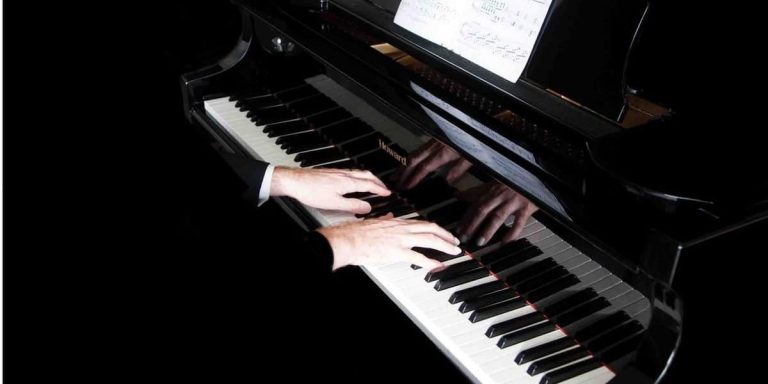
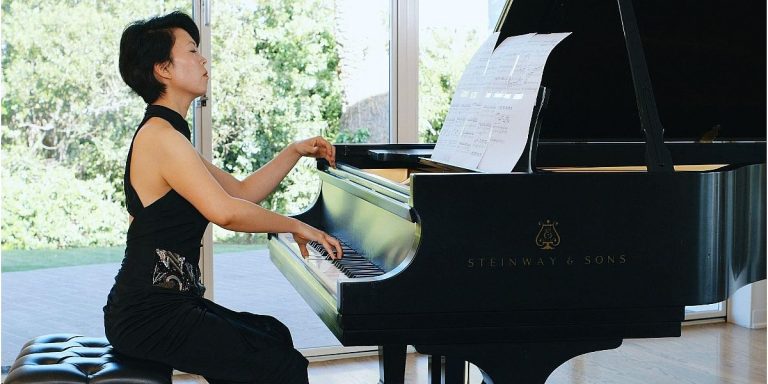
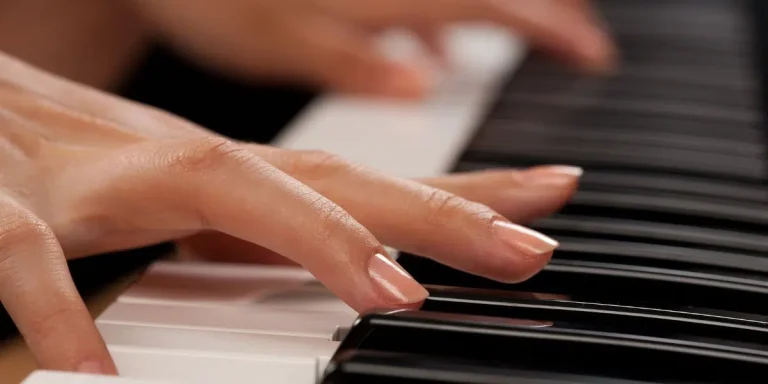
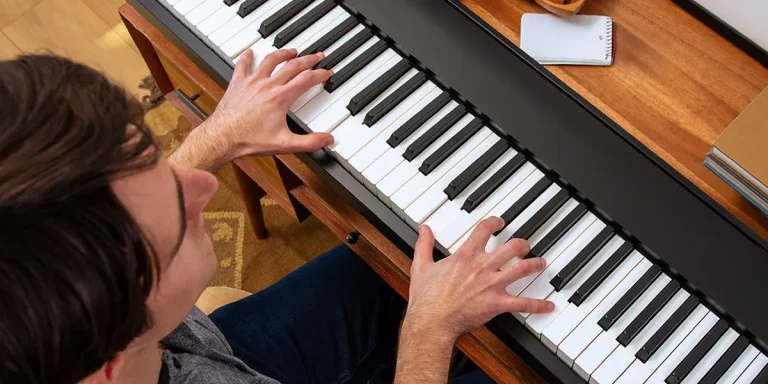
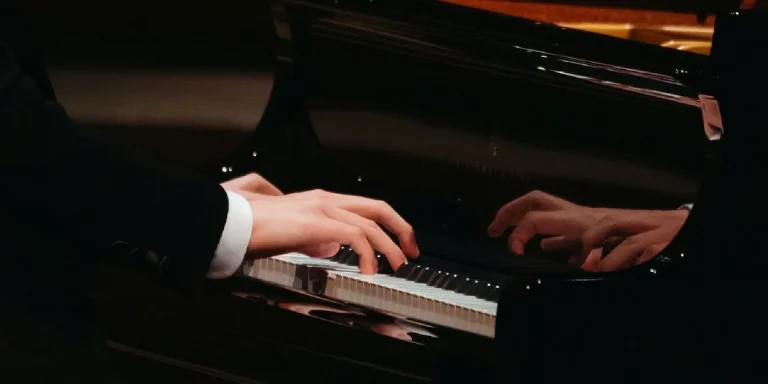
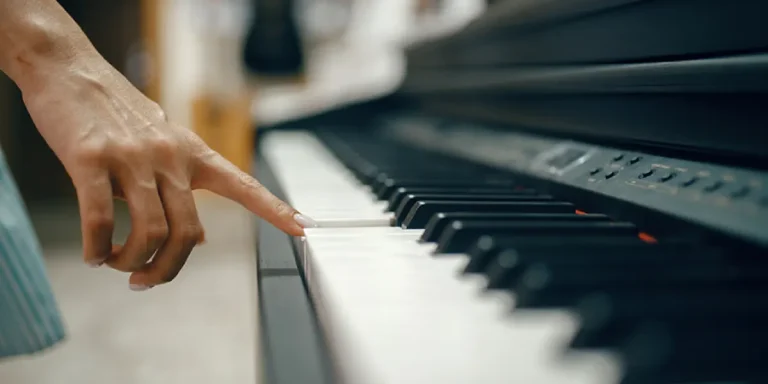
Playing without looking at the keys always felt like a secret skill reserved for seasoned pianists, yet I eventually realized it grows out of habits built
Self-paced piano lessons and guides. Start with the beginner track, then work through technique, expression, mindset and gear.
Playing without looking at the keys always felt like a secret skill reserved for seasoned pianists, yet I eventually realized it grows out of habits built
Slow progress at the piano often feels like a quiet, unglamorous companion, but it has shaped my development more than any burst of sudden improvement. I’ve
Finding the right MIDI keyboard for a home studio changes how smoothly I work, how inspired I feel, and how quickly ideas develop into finished tracks. I rely
Simple songs can easily sound plain if played without intention, but they can become rich, expressive, and memorable when approached with a sense of
I’ve met many pianists who assume the best way to begin is by jumping into a familiar melody, usually something they’ve heard since childhood or something
I meet many new pianists who feel intimidated by music theory long before they ever touch the keyboard. The idea of scales, intervals, key signatures, and
Restraint may not be the first quality most people associate with expressive piano playing, yet I’ve found that some of the most profound moments happen in
Sheet music may look like symbols, lines, and numbers, but it can become a powerful story when approached with intention. I often sit at the piano and feel
A pianist’s sound often reveals more than the notes they choose. I’ve met players who approach the instrument like a battlefield, others who treat it like a
Adults approach the piano with a perspective shaped by years of experience, responsibilities, and personal expectations. That perspective changes the entire
I used to think I knew every function on my keyboards until I started digging into menus and accidentally stumbling across settings that changed the way I
Getting the right speakers for my piano setup became one of the most important upgrades I ever made to my playing environment. The wrong speakers hide detail,
Repeated notes seem simple on the surface, yet they demand more control, finesse, and imagination than many players expect. Anyone can strike the same key
Building hand coordination has always felt like unlocking a hidden layer of piano playing that sits beneath the notes on the page. Patterns have a way of
The first time I felt my hands drifting away from each other at the piano, it wasn’t because the passage was difficult. It was because my mind treated each
The soft pedal has always felt like a doorway into another side of the piano, a side that waits quietly until I decide to approach it. I don’t treat it as an
I often sit at the piano with a piece that feels rigid on the page, and the challenge becomes figuring out how to breathe life into it. Notes arranged with
Sitting at the piano day after day does more than strengthen technique or improve musical understanding. The process affects the deeper parts of who I am. It
Mistakes at the piano can feel like small betrayals, especially when I expect my hands to follow a clear intention and they wander somewhere unexpected.
A clean and minimal piano setup can change the entire mood of a room and the way I interact with my instrument. I’ve noticed that the more intentional I am
The search for a realistic piano feel on a budget can easily turn into a maze of conflicting opinions and misleading marketing. I had to sort through
Smooth transitions between keys can turn a rigid performance into one that feels fluid and expressive. Moving from one key to another is more than shifting
Fast runs have a way of revealing gaps in technique that usually go unnoticed at slower tempos. I realized early on that speed alone wasn’t the issue; the
Chord progressions are the doorway into making the piano feel like a living instrument rather than a grid of unrelated keys. I discovered that beginners often
Playing behind the beat is one of those musical choices that can transform the personality of a piece without changing a single note on the page. The idea
Repetition has shaped more of my piano progress than inspiration ever has. The notes I return to over and over again have taught me far more than the ones I
I go straight to the point on this topic because aftertouch is one of those terms that floats around in keyboard forums, gear reviews, and conversations
Octave playing can turn a simple phrase into something bold and dramatic, yet it also has the reputation of wearing out the hands of many pianists. I’ve met
I realized pretty early in my piano journey that trying to memorize every single note on the keyboard right away was like standing in front of a bookshelf
Silence often reveals more than sound ever could. At the piano, the absence of notes can shape a phrase as deeply as the notes themselves. I rely on silence
Returning to a piece after several months away feels like opening a familiar letter that once meant something important but now carries an entirely new
Getting the right digital piano for classical music takes more than checking a few specs or going for the most expensive model. Classical pieces demand
Scale practice often feels like the most mechanical part of piano work, but I eventually began to see it as one of the most musical tools I have at my
I’ve met pianists who began their musical journey through sound alone and others who stepped confidently into their first lesson with a sheet of music in
I approach a slowed musical phrase the same way I approach a breath. A breath can stretch, deepen, or linger, but it still has a destination. A slowed phrase
Building trust between my hands and my brain has become one of the most transformative parts of my piano journey. The more time I spend at the keyboard, the
Progress at the piano rarely announces itself loudly. It unfolds slowly, often too quietly for day-to-day practice to reveal it clearly. I have found that
Finding reliable headphone extensions made my piano practice far more comfortable because long sessions can feel restrictive when the cable barely reaches the
Interval recognition changed the way I approach sight-reading far more than hours of scanning notes line by line ever did. Once I stopped looking at
Patterns on the piano keyboard reveal themselves long before the hands know how to follow them, and noticing these structures makes every piece feel easier to
Low registers have a presence that reaches me in a way that no other part of the piano does. The moment I touch those deeper notes, the air in the room feels
I’ve noticed that the quickest way to drain joy from piano playing is to measure my own progress against someone else’s timeline. The moment I start paying
Comparing built-in voices and the sound engines behind them became an essential part of shaping the way I practice, perform, and explore different musical
Eliminating hesitation between notes has shaped the way I approach the piano more than almost any other skill. The tiny gaps that appear when my fingers are
Getting comfortable with note recognition can feel like stepping into a new world, especially when the keyboard stretches out in front of me like an endless
Dynamics have always felt like the most direct way to speak through the piano. They shape the emotional contours of a piece, but they also reveal the
I sit down at the piano each day with a familiar piece waiting for me, and the routine has turned into something far deeper than simple repetition. Playing
Many piano players reach a point where they begin questioning whether their current keyboard setup is helping or holding them back. The debate around weighted
The days when I can spend a full hour easing into my practice are rare, so I started paying close attention to what actually prepares my hands and mind
Sitting down at the piano can sometimes feel like stepping into a moment where the mind is ready to move, but the hands refuse to follow. I know that
Subtle shifts in tempo can transform a piece in ways that feel almost invisible yet deeply felt, and I rely on them constantly whenever I want a passage to
The idea of shifting from trying to becoming quietly reshaped the way I sit at the piano. It didn’t arrive as a sudden breakthrough or a dramatic realization.
I’ve met many pianists who ask how they can tell whether they’re actually prepared to shift into the intermediate stage, and the answer rarely comes from a
Many piano players eventually reach a point where built-in keyboard sounds no longer feel inspiring enough for recording or performance. I went through this
Quiet passages look gentle on paper, yet they demand a level of control that often exposes weaknesses in technique. I’ve reached moments in pieces where the
Exploring technology in my piano routine opened doors I never expected to find. I didn’t approach it as a replacement for the instrument or for real practice,
Nostalgia in music is one of the most delicate emotions to express because it sits somewhere between memory and imagination. I turn to tone whenever I want to
Feeling like a musician at the beginning can seem impossible, especially when the gaps between your taste and your ability feel so wide. I remember sitting at
Getting better at the keyboard is usually associated with practice time, new pieces, technique drills, and refining touch. Those elements matter, but the
Finger substitution often appears simple on the surface, yet it plays a bigger role in fluid technique than many players realize. I encountered it in the
Deciding how to approach piano learning brings up a question that sits quietly in the background of every beginner’s mind. I’ve met people who swear that a
A melody only turns into a whisper when it carries more intention than volume. I notice this every time I sit at the piano and try to express something
Honoring your pace at the piano starts with recognizing that musical growth doesn’t follow a universal timeline. The pace that feels natural to you might look
A comfortable and purposeful practice space has a bigger impact on musical progress than many players realize. I’ve noticed that even small adjustments in my
Silent practice felt unusual the first time I tried it, yet it quickly became one of the most effective tools in my daily routine. It offered a different way
The moment practice starts feeling heavier than it should, the entire relationship with the piano changes. Progress slows down, small mistakes feel huge, and
The way a pianist lifts their hands can shape the emotional atmosphere of a performance just as deeply as the notes themselves. I notice this each time I
Practicing alone has its own rhythm, a strange blend of clarity, frustration, curiosity, and small personal victories that unfold quietly in the background of
The number of keys on a keyboard shapes how a player develops, how music feels under the hands, and how much creative room exists during practice. The debate
I notice a familiar pattern whenever I talk to other pianists. The right hand feels quick, confident, ready to take the lead, while the left hand lags behind
Progress on the piano becomes far more satisfying when the early days are mapped out with clarity. Month one lays the groundwork for every skill that follows,
Finding the voice of a piece begins with the sense that the music holds a personality waiting to be uncovered. I sit at the piano and explore a few measures,
Some piano sessions shift into a different kind of experience, one that feels less like drilling technique and more like slipping into a quiet, reflective
Protecting a keyboard or digital piano may not feel as exciting as improving technique or learning a new piece, but the way an instrument is cared for affects
I’ve met many pianists who love the thrill of fast passages but struggle to keep each note clean and distinct once the tempo rises. I used to push the speed
Progress at the piano is deeply influenced by the habits built in the early stages. Small patterns in posture, movement, and practice routines can either
Playing the same piece over and over can feel predictable if I let myself fall into routine, but I’ve noticed that a score never truly stays the same. The
Playing the piano in front of other people exposes a side of me that rarely appears during private practice. In my own space, mistakes feel manageable. I
I face this question every time a friend asks for help picking out a piano or digital keyboard. The new-versus-used dilemma seems simple on the surface, yet
Stepping onto the bench with confidence rarely comes from talent alone. Even the most seasoned pianists rely on a set of habits that prepare their hands,